Information technology is driving the future of care.
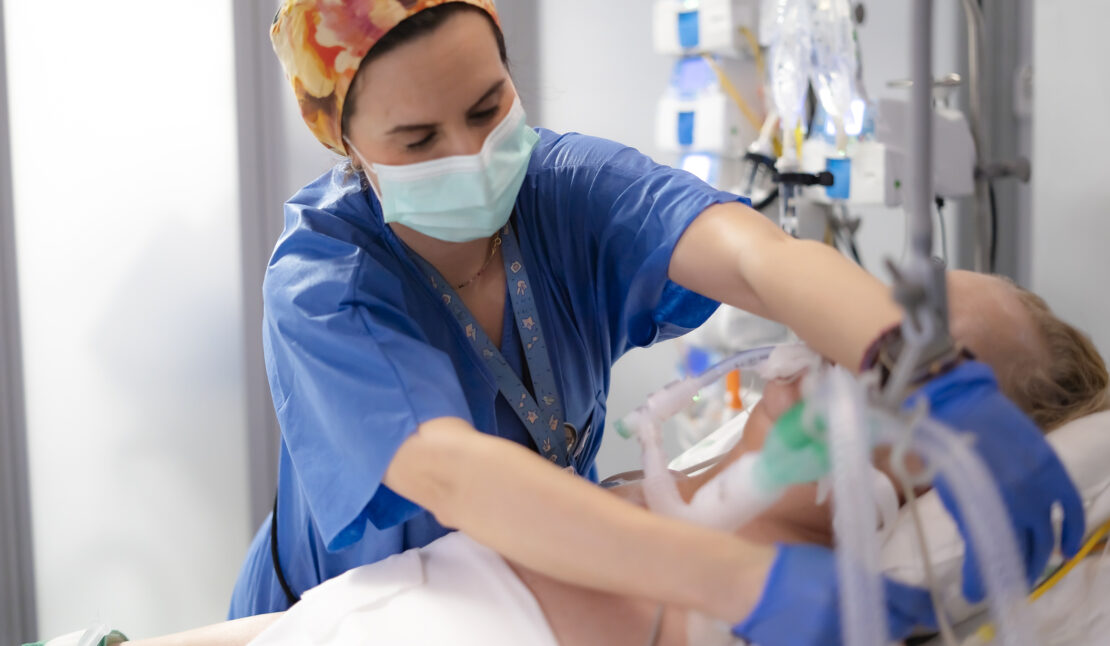
As technology marches forward, health IT departments are playing an increasingly pivotal role in the way care is delivered and the journeys patients will take. Cloud computing, machine learning and the Internet of Medical Things (IoMT) have all gained traction, and more advances are on the way.
Forward-thinking Biomed and IT departments are also working to cut costs while improving the quality of care and aligning with trends in value-based reimbursement. This adds to their already-significant responsibilities. These teams must support and seamlessly integrate multiple disparate systems, maintaining a secure and transparent user experience for all.
Engineering simplicity across data integration and management.
Designed to meet current and future demands, Capsule helps maximize the potential of your patient data. With five gateways and over 850 device drivers, our centralized connectivity platform allows management of all devices from a single location.
Through serial, network and wireless connectivity, data is captured and transformed from virtually all bedside devices in all care areas. Our flexible Capsule platform is designed to adapt to device and EMR software revisions, so data keeps flowing as technology and requirements evolve.
Capsule provides intelligent cloud-based dashboards that help clinicians zero in on device failures, simplify connectivity and asset management and generate richer insights to power new data-driven care models.