

Creating and maintaining an effective alarms committee: a conversation with clinical alarm experts
Alarm committees help hospitals turn alarm data into clear governance, sustained action and safer workflows. Experts share how to build momentum.
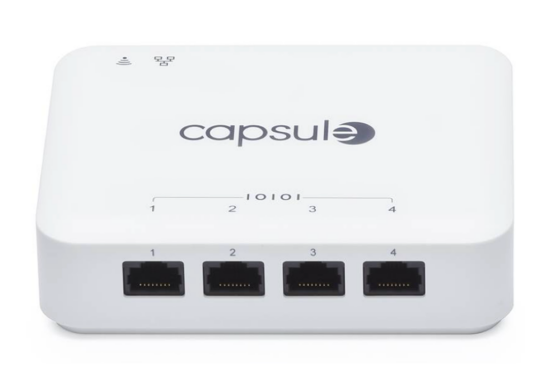
The connectivity option for the Medical Device Integration (MDI) solution is present at the point of care. It takes data from the connected medical devices and shares it with the downstream systems through the data management software. Axon and Neuron are the two connectivity hub families. Like the rest of MDI, Axons and Neurons are also compatible with 1200+ medical devices.
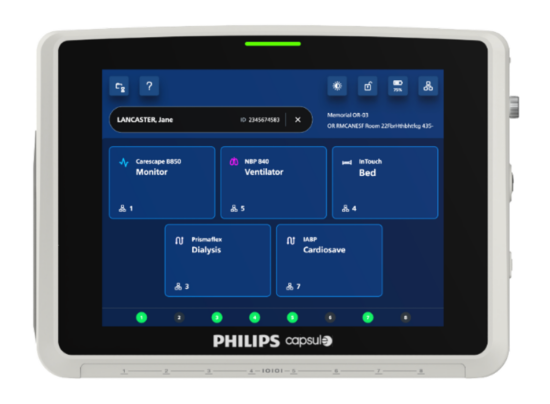
A compact serial-to-network gateway that connects up to eight compatible medical devices to the hospital network. It is designed for device-dense clinical settings, such as ICUs, PACUs, and NICUs, where it can consolidate bedside connectivity and make device data available not only to the EMR, but also to surveillance, workflow, analytics, and other downstream clinical systems.
Designed for secure integration across healthcare settings, the Neuron is available in multiple configurations and supports USB, serial, and network-connected devices. Each module comes preloaded with workflow-specific software tailored to its care environment:
“This technology integration is a big win for nurses, because it removes the risk of transcription errors that can happen with charting. Data from patient monitoring equipment is sent in real-time and it’s available for integration to the patient record, once the nurse validates the data.”
Alarm committees help hospitals turn alarm data into clear governance, sustained action and safer workflows. Experts share how to build momentum.
Despite regulatory mandates, clinical alarm fatigue persists due to unmanaged data, unclear ownership, and competing priorities. Overcoming these barriers requires multidisciplinary committees and technology investments.